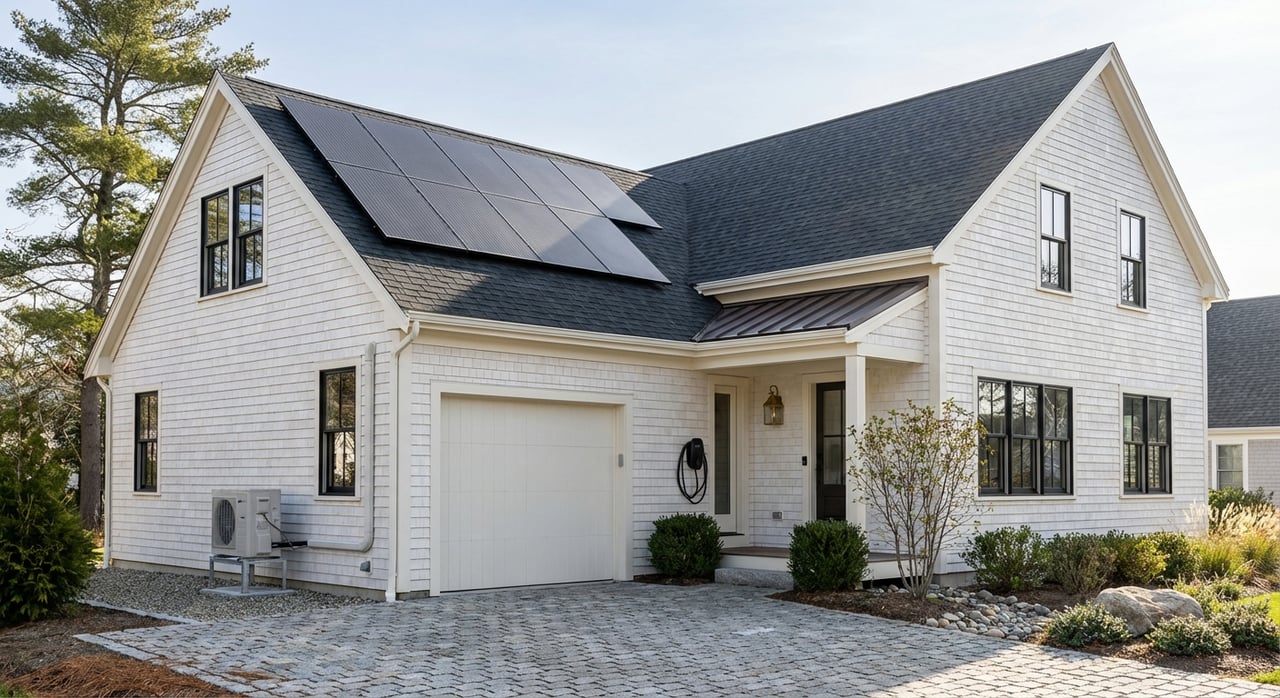
Salt air, rocky shoreline, and a bright coastal lifestyle make Freeport a dream setting. If you are also drawn to smart features and low energy bills, you can find homes here that balance convenience with sustainability. In this guide, you will learn which upgrades matter most in Freeport, which incentives can lower your costs, and how to evaluate listings with clarity and confidence. Let’s dive in.
Why smart and sustainable in Freeport
You get four seasons, ocean influence, and a strong outdoor lifestyle. Smart and efficient systems help you stay comfortable while keeping costs steady through winter and peak summer. They also add daily ease, especially if this is a second home you manage from afar.
Smart thermostats and leak sensors can prevent small issues from becoming big problems, and many models are designed to reduce energy use without constant tweaking. According to ENERGY STAR guidance, certified smart thermostats can cut heating and cooling run time and deliver measurable savings. You can explore verified models in the ENERGY STAR smart thermostat guide.
Incentives that lower your costs
Smart and sustainable upgrades are more affordable when you layer federal and state programs. Here are the big ones to know.
Residential Clean Energy Credit (federal)
The federal Residential Clean Energy Credit currently covers 30% of qualified systems like solar, geothermal, and eligible battery storage. The credit is based on when the system is placed in service and is claimed on IRS Form 5695. Review the current rules on the IRS Residential Clean Energy Credit page and confirm installation dates with seller invoices before you estimate benefits.
Efficiency Maine rebates (state)
Efficiency Maine is the main source of state rebates for heat pumps and heat‑pump water heaters. Rebate levels vary by income and measure, and many programs require use of registered installers and timely paperwork. Start with the Efficiency Maine residential heat pump rebates to see current amounts and vendor requirements.
EV charger tax credit (federal)
If you plan to add a Level 2 charger, the federal Alternative Fuel Vehicle Refueling Property Credit may cover 30% of qualified residential charging equipment, up to stated limits, with location eligibility rules. See the IRS EV charger credit guidance and keep installation documentation.
Property tax treatment for renewables (Maine)
Maine law includes specific property‑tax exemptions and limits for qualifying renewable equipment. There are filing conditions and timing rules, and local assessors handle implementation. Review the statute language and confirm procedures with the town assessor. See the Maine statute on property‑tax exemptions for renewables.
Solar and batteries on the coast
Coastal settings bring two extra considerations: how you get credited for excess power and how equipment stands up to salt air.
- Net Energy Billing. Maine credits exported kWh that roll month to month, then expire after 12 months. This matters in Freeport because long summer days can build a surplus that must cover darker winter months. When you review a listing with rooftop solar, ask for modeled and historical annual production and how credits have been used. Learn how credits work on the Maine PUC Net Energy Billing page.
- Coastal hardware and warranties. Near the water, look for panels and components with salt‑mist testing references, corrosion‑resistant racking, and marine‑grade fasteners. The Dualsun overview on salt‑mist testing and coastal installation explains why these ratings matter.
- Battery backup. Batteries can keep critical loads running during outages and may qualify under the federal Residential Clean Energy Credit when they meet capacity rules. Ask sellers for usable kWh, inverter specs, and warranty terms, and confirm who claimed any credits based on placed‑in‑service dates.
Heat pumps and hot water that work in Maine
Freeport’s climate is well suited to modern cold‑climate air‑source heat pumps that are designed to perform in low temperatures. The U.S. Department of Energy describes how these systems stay efficient in winter conditions in its overview of cold‑climate heat pumps.
When you tour a home with heat pumps:
- Verify model numbers and ratings, and ask if the system is commissioned as the primary heat source, since that can relate to rebate eligibility.
- Request the contractor’s load calculation and any rebate documentation from Efficiency Maine.
- For water heating, look for ENERGY STAR heat‑pump water heaters. Efficiency Maine offers instant discounts and rebates, outlined on the Heat Pump Water Heater Program page.
EV readiness and remote living convenience
Level 2 charging at home makes coastal trips simple. Look for a dedicated 240 V outlet or hardwired EVSE on a 40 to 50 amp circuit, installed to code by a licensed electrician. The Department of Energy’s consumer guide covers charging types, safety, and basics in the EV home charging overview.
If there is already a charger on site, confirm whether it transfers with the home, the breaker rating, and permit history. If you plan to add one after closing, check whether your Freeport address meets location eligibility for the federal EV charger credit and keep all receipts.
Smart home essentials for second homes
Smart features add convenience and reduce risk, especially if you are offsite at times.
- Smart thermostat. ENERGY STAR certified models deliver validated savings and remote control. See certified options in the ENERGY STAR smart thermostat guide.
- Water protection. Smart leak sensors and auto shutoff valves can protect hardwood floors and finished basements while you are away.
- Security and monitoring. Ask whether accounts and subscriptions are transferable, and which devices convey.
Coastal due‑diligence checklist
Use this quick list to vet smart and sustainable features in Freeport listings:
- Solar ownership status. Owned system or lease/PPA. Request contracts and any credit or rebate records.
- Production history. Ask for monitoring screenshots and the interconnection agreement. Compare annual kWh to your needs.
- NEB credits. Confirm how credits have rolled and been used within the 12‑month window.
- Coastal durability. Look for salt‑mist references and corrosion‑resistant hardware. Check roof condition and wind exposure.
- Battery or generator. Note usable battery capacity, warranties, or generator permits.
- Heat pumps. Verify model numbers, commissioning as primary heat, Manual J load calc, and any Efficiency Maine documentation.
- Heat‑pump water heater. Confirm ENERGY STAR status and receipts for any incentives.
- EV charging. Check for a dedicated 240 V circuit, breaker size, wiring gauge, permit, and electrician invoice.
- Flood and elevation. Review FEMA flood maps, insurance needs, and elevation of outdoor units and electrical gear.
- Connectivity. Confirm reliable internet options for remote monitoring.
How these features influence value and resale
Buyers increasingly want lower operating costs, resilience, and plug‑and‑play convenience. That means owned solar with clear production data, documented heat pump installs, EV‑ready wiring, and simple smart‑home controls often earn more attention and can support stronger offers.
Documentation matters. An owned PV system with transferable warranties and interconnection paperwork is easier for appraisers to consider than a leased system. A heat pump installed as the primary heat source with contractor records and rebate proofs is easier to market than a partial retrofit with no paperwork. Ask sellers for invoices, warranty terms, model lists, and any incentive forms early in the process.
How to shop Freeport listings with confidence
- Before tours. List your must‑have features: solar ownership, EV charging, heat pumps, battery backup, or smart controls. Ask for equipment lists and energy bills when you book a showing.
- At the property. Photograph nameplates on heat pumps, inverters, and water heaters. Note outdoor unit placement and roof condition. Test smart devices that convey.
- When writing offers. Request monitoring access for solar, include an itemized personal property list for smart devices, and ask for all incentive and warranty documents.
Ready to find a Freeport home that fits your coastal lifestyle and your values? Reach out to Cindy Gannon to discuss listings, features, and next steps.
FAQs
What incentives can help me afford solar or batteries in Freeport?
- The federal Residential Clean Energy Credit can cover a portion of qualified systems, and Maine’s property‑tax rules may offer exemptions for renewables. Ask for installation dates and documentation to confirm eligibility.
How does Maine’s Net Energy Billing affect rooftop solar savings?
- Unused kWh credits roll month to month and expire after 12 months, so sizing should match your annual use. Request production history and credit statements from the seller.
Are heat pumps reliable in Maine winters?
- Modern cold‑climate heat pumps are designed for low temperatures and are widely used in Maine. Verify proper sizing, commissioning as the primary heat source, and maintenance records.
What should I ask about an existing EV charger in a listing?
- Confirm it conveys with the home, the circuit and breaker size, whether a permit was pulled, and if any tax credits were claimed. Keep receipts if you plan to add or upgrade.
Do solar panels increase property taxes in Maine?
- Maine law provides specific exemptions and limits for qualifying renewable equipment, but you must follow filing rules. Confirm the process with the local assessor before relying on it.