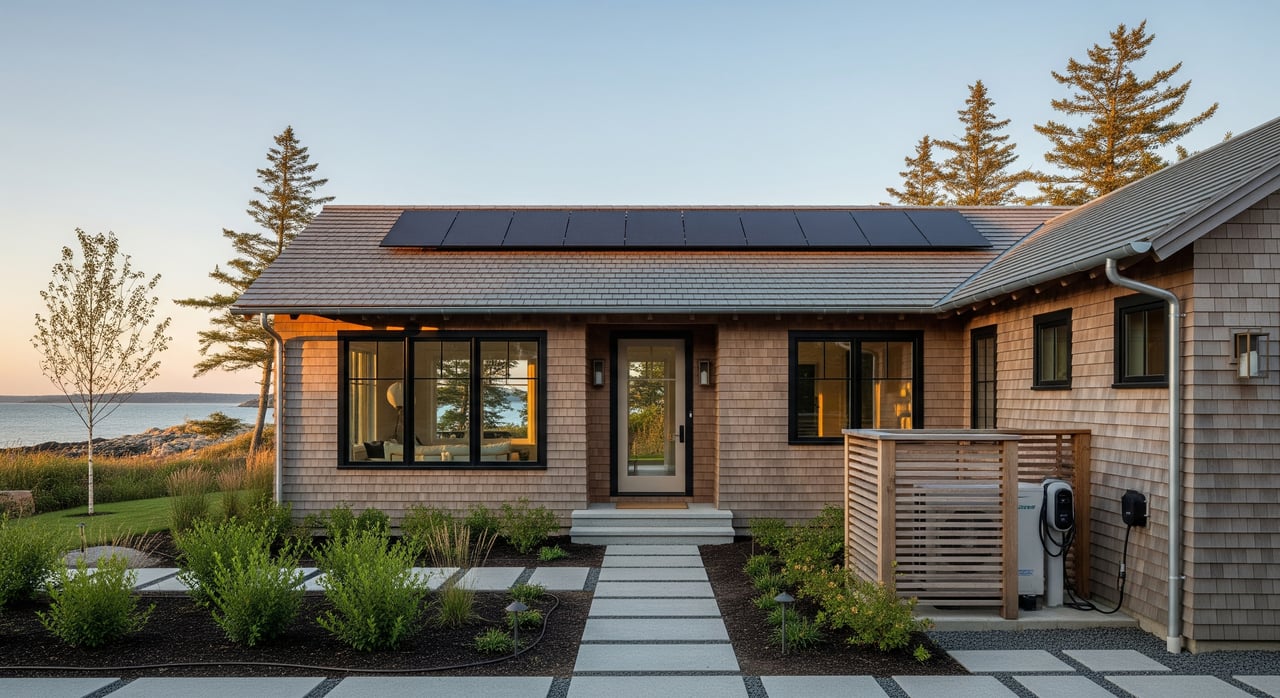
Do winter heating bills make you think twice about your next move in Freeport? You are not alone. Buyers here want homes that feel comfortable in January, handle coastal humidity in July, and keep monthly costs predictable. In this guide, you will learn which energy-efficient features matter most in Freeport, how they impact comfort and resale, and practical steps to upgrade before you list or buy. Let’s dive in.
Why energy efficiency matters in Freeport
Freeport’s coastal climate brings cold winters, salt air, and frequent freeze–thaw cycles. Those conditions raise heating loads and put extra stress on exterior equipment and building materials. Many older homes were built before today’s insulation and air-sealing standards, which means you can see real gains from smart upgrades.
Buyers across New England value year-round comfort and lower operating costs. In Maine, features that reduce oil or propane use stand out. Regional energy prices and fuel trends help explain this interest, and you can explore those patterns through the U.S. Energy Information Administration.
On the incentives side, statewide programs make upgrades easier to plan and finance. Efficiency Maine offers rebates, technical guidance, and contractor listings for heat pumps, weatherization, and other measures. If you are considering solar, state interconnection and net-metering policies shape payback, and you can review current rules with the Maine Public Utilities Commission and incentive summaries at DSIRE’s Maine listings.
Top features Freeport buyers love
Cold-climate heat pumps and heat pump water heaters
Modern cold-climate air-source heat pumps provide efficient heating well below freezing, plus quiet, efficient cooling for humid summer days. They can reduce or replace delivered fuels like oil and propane, which simplifies life and often lowers operating costs. Heat pump water heaters add similar savings on hot water.
What buyers appreciate:
- Lower fuel use and predictable costs. Less oil or propane and fewer deliveries.
- Comfort in every season. Steady heat in winter and efficient cooling in summer.
- Quiet operation. A calmer indoor environment.
Local tips for performance and durability:
- Size and site equipment carefully for cold weather and coastal exposure. Corrosion-resistant hardware and elevated mounts help near salt air.
- Use experienced installers who follow cold-climate best practices. You can verify guidance and product criteria through ENERGY STAR and regional best practices from NEEP. For rebates and vetted pros, start with Efficiency Maine.
High-R insulation and air sealing
Improved insulation in attics, walls, and basements, paired with thorough air sealing, cuts heat loss and drafts. In Freeport’s cold, coastal climate, this also helps manage indoor humidity and reduces the risk of condensation. A tighter envelope makes any heating system work better.
What buyers appreciate:
- Warmer rooms and fewer drafts. Comfort that you can feel day to day.
- Lower heating loads. Smaller systems can meet demand more efficiently.
- Better return on other upgrades. Heat pumps and windows perform better once the shell is improved.
Local tips for moisture and ventilation:
- Pair air sealing with balanced ventilation to keep indoor air fresh.
- Use goals aligned with climate-based recommendations from the U.S. Department of Energy. Weatherization guidance and rebates are available through Efficiency Maine.
Fresh air ventilation with HRVs and ERVs
When you tighten a home, you need controlled ventilation. Heat recovery ventilators (HRVs) and energy recovery ventilators (ERVs) bring in filtered fresh air while transferring heat, and in the case of ERVs, managing moisture as well. This maintains indoor air quality without sacrificing energy savings.
What buyers appreciate:
- Consistent, fresh air. Healthier indoor environments.
- Balanced humidity. Less risk of mold or condensation in a coastal climate.
- Preserved efficiency. You keep the gains earned through air sealing.
Local tips for selection and install:
- Choose HRV or ERV based on typical indoor moisture patterns.
- Follow best practices consistent with the ASHRAE 62.2 residential ventilation standard.
High-performance windows and doors
Triple-pane windows with low-E coatings and thermally broken frames reduce heat loss and cold surfaces. In older homes with single-pane units, the comfort difference can be dramatic. Upgraded doors and high-quality weatherstripping help reduce drafts and condensation.
What buyers appreciate:
- Warmer perimeter rooms. Sitting by a window in January feels better.
- Less condensation. Fewer moisture issues around frames.
- Quiet interiors. Better sound control is a welcome bonus.
Local tips for cost and coastal durability:
- Full replacements can be costly. Consider interior storm windows in historic or budget-sensitive situations.
- Choose corrosion-resistant hardware and durable claddings. Review performance guidance from ENERGY STAR.
Solar-ready roofs and residential solar PV
A solar-ready home has the right roof orientation, structural capacity, and electrical pathway to make a PV installation straightforward. Actual solar PV can offset electricity use for heat pumps, hot water, and EV charging. Battery storage can add resilience during storms.
What buyers appreciate:
- Lower electric bills. Solar complements efficient HVAC and EV charging.
- Future-proofing. A prepared roof saves time and money later.
- Resilience. Batteries can maintain essentials when the grid is down.
Local tips for rules, incentives, and design:
- Confirm current interconnection and net-metering policies with the Maine Public Utilities Commission. Incentive summaries are available through DSIRE.
- Ensure mounts and hardware are suited to coastal exposure and snow loads.
EV charging and electrical readiness
Level 2 home charging (240V) makes EV ownership convenient and increases buyer appeal. Prewiring a dedicated circuit or installing a charger is a relatively simple upgrade, although panel capacity and permitting may be factors.
What buyers appreciate:
- Daily convenience. Reliable overnight charging.
- Lower transportation costs. Strong synergy with solar and heat pumps.
- Future-ready infrastructure. A modernized electrical panel is a plus.
Local tips for coastal installs:
- Select weather-rated, corrosion-resistant equipment for exterior mounting.
- Coordinate permits and utility requirements as needed. Efficiency and incentive resources are available through Efficiency Maine.
Comfort, costs, and resale: what to expect
Comfort improves quickly when you address the building shell. Air sealing plus insulation reduces drafts and cold spots, then HRV or ERV ventilation keeps air fresh without big energy penalties. High-performance windows and modern heat pumps complete the picture by smoothing temperatures and quieting the home.
Operating costs tend to drop as you trim delivered-fuel use and move heating and cooling to efficient electric systems. Solar can offset the added electricity from heat pumps and EV charging, which helps stabilize seasonal costs. Regional energy price trends from the U.S. Energy Information Administration provide helpful context as you plan your mix.
On resale, buyers respond well to documented upgrades. Energy audit reports, receipts, service logs, and program verification build confidence that a home is comfortable, efficient, and well cared for. Clear records also help appraisers and buyer agents understand value.
Upgrade roadmap for Freeport sellers
If you plan to list in the next 3 to 12 months, prioritize high-impact steps that improve comfort, reduce operating costs, and photograph well.
- Start with air sealing and attic or rim-joist insulation
- Focus on the attic, basement rim joists, and top plates. This is often the best first dollar spent in older coastal homes.
- Pair with a plan for ventilation if you substantially tighten the home.
- Install a cold-climate heat pump
- Choose ductless mini-splits for targeted zones or a ducted cold-climate system if your home already has ducts.
- Keep receipts, permits, and maintenance logs. Reference best practices from ENERGY STAR or NEEP, and check rebates via Efficiency Maine.
- Add balanced ventilation (HRV or ERV)
- Confirm sizing and balanced ducting, then label controls for easy buyer walkthroughs.
- Follow principles consistent with ASHRAE 62.2.
- Prep for solar and EV charging
- Solar-ready steps include conduit to the electrical panel, roof load verification, and clear southern exposure. Review incentives at DSIRE and interconnection with the Maine PUC.
- Prewire a 240V circuit for a Level 2 charger if panel capacity allows. Label the breaker and outlet so buyers notice it during showings.
- Evaluate windows strategically
- Replace failing or single-pane units first, or add interior storm panels as a cost-effective interim step.
- Choose corrosion-resistant finishes for coastal longevity.
Documentation tips:
- Provide a concise packet with energy audit findings, pre and post-upgrade utility bills, rebate paperwork, and service records. Programs like Efficiency Maine and MaineHousing may also add verifications that buyers find credible.
Permits, contractors, and maintenance
Permitting requirements vary by project. Coordinate early with local code officials for HVAC, electrical, and solar work. Selecting installers who know Maine’s climate and permitting process speeds timelines and reduces surprises.
Where to start:
- Use Efficiency Maine for rebate details, technical guides, and contractor listings.
- Review current interconnection and net-metering policy with the Maine Public Utilities Commission, and scan incentive programs at DSIRE.
Maintenance basics for coastal homes:
- Heat pumps: clean or replace filters, rinse coils as recommended, and inspect outdoor units for salt build-up. Annual service is wise near the coast.
- Solar: clear snow only when safe, check mounts and wiring for corrosion, and keep inverter service logs.
- HRV/ERV: change filters seasonally and schedule periodic professional checkups.
Make your next move easier
Energy-smart features help you live comfortably in Freeport while keeping costs in check. They also make your home more attractive when it is time to sell. If you want a clear plan tailored to your timeline and goals, reach out to a local expert who understands coastal homes, smart systems, and premium presentation. Connect with Cindy Gannon to talk strategy, compare options, and map your next steps. Let’s Connect.
FAQs
How much can a heat pump save in a Freeport home?
- Savings vary by current fuel, electricity rates, home insulation, and equipment efficiency; many Northeast homeowners reduce oil or propane use meaningfully, and an energy audit plus bill comparisons can estimate your range.
Are triple-pane windows worth it in coastal Maine?
- They improve comfort and reduce heat loss, but payback depends on your existing windows and energy prices; often, air sealing and insulation deliver better first-step returns before full window replacement.
Is solar practical in Freeport with winter snow?
- Yes, annual production can offset significant electricity use, especially when paired with heat pumps and EV charging; review current incentives at DSIRE and interconnection policy with the Maine PUC to refine payback.
Will salt air damage outdoor HVAC or solar equipment?
- Salt increases corrosion risk, so choose coastal-rated materials, site equipment thoughtfully, and plan routine maintenance like coil cleaning and hardware inspection to extend service life.
What paperwork helps market efficiency upgrades to buyers?
- Provide energy audit reports, pre and post-upgrade utility bills, rebate confirmations, permits, manuals, and service records; third-party verifications such as Efficiency Maine documentation build buyer confidence.