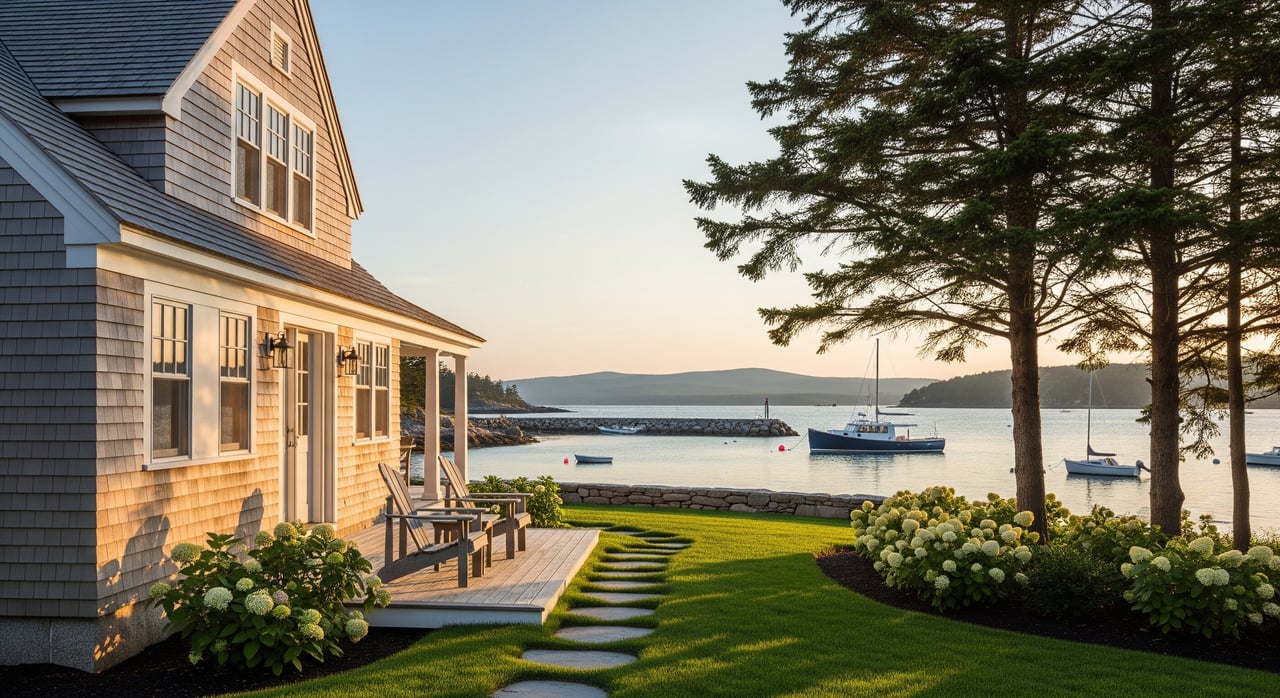
Thinking about a home on the Blue Hill peninsula? You’re not alone. Blue Hill’s small, coastal market can feel different if you’re used to big-city inventory and year-round buzz. You want a clear picture of prices, timing, and what to look for on tours so you can move with confidence. This guide walks you through the basics, from price bands and property types to seasonality and practical checklists. Let’s dive in.
Blue Hill at a glance
Blue Hill is a small coastal town in Hancock County with a mix of year-round residents and seasonal homeowners. Inventory is limited, and a few sales can shift median prices and days on market. This is normal for small markets, but it means you should lean on live data and local expertise.
Because the market moves in quick, small samples, verify any snapshot you see against current data from the local MLS and county trend reports. For county-level trends, you can check Maine Listings and the Maine Association of REALTORS.
Get current numbers fast
- Ask a local agent for live MLS data on median price, days on market, and active inventory for Blue Hill and nearby towns.
- Use county and statewide reports from Maine Listings and the Maine Association of REALTORS to understand the bigger trend line.
- Look up public records for historical sales and tax assessments through local offices. Demographic context is available from the U.S. Census American Community Survey.
- National aggregator sites can provide quick charts, but they often lag MLS data in small towns, so confirm with local sources.
Price bands and property types
In Blue Hill, price bands track closely with location, condition, acreage, and proximity to the water. Use these segments as a starting point, then verify live pricing with the MLS.
Entry segment
You’ll often see smaller cottages, mobile homes, and modest inland houses at the more affordable end. Some will need updates. If you are handy or open to renovation, this segment may provide value.
Mid segment
Typical detached single-family homes on modest lots in or near the village tend to sit here. Many are year-round properties and are often maintained for ease of ownership. These appeal to local buyers, relocators, and remote workers who want a practical base with access to daily amenities.
Upper and waterfront
Waterfront cottages, larger historic homes, and properties with private moorings or big views command a premium. These also attract second-home buyers who prioritize low-maintenance exteriors, views, and access to Blue Hill Bay. Unique lots and legacy homes can sit apart from inland comparables and require separate analysis.
Land and woodland
Undeveloped land ranges widely in price. Waterfront and view lots often carry the highest per-acre pricing. Buildability matters more than anything else. Confirm soils, wetlands, shoreland zoning, and access before making an offer.
Inspection and maintenance essentials
Blue Hill’s coastal climate and older housing stock mean certain system checks are especially important. Bring a healthy skepticism and a good checklist to every tour.
Septic and water
- Septic systems: Ask for permits, age, pump history, and recent inspection reports. Replacements can be site-dependent and costly.
- Private wells: Review water-quality test results and well depth. In coastal zones, seasonal droughts or saltwater intrusion can affect performance.
Heating and energy
- Heating fuel: Oil and propane are common. Many homes also have wood or pellet stoves.
- Equipment and tanks: Verify age, service history, and any active fuel contracts. Factor in potential conversion costs if you plan to change systems.
- Insulation and windows: Ask about attic insulation, wall insulation, and window type. These affect comfort and operating costs, especially in winter.
Roofs, siding, and structure
- Coastal weather: Metal roofs can rust, cedar/shingle siding can wear faster, and wind-driven rain can find weak spots.
- Foundations: Older stone foundations are common. Look for signs of water intrusion, rot, or settlement in basements and crawlspaces.
Roads and access
- Driveways and private roads: Confirm year-round access, winter plowing, and who pays for maintenance. Narrow private lanes and overhead wires can affect deliveries and renovation logistics.
Utilities and broadband
- Internet and cell coverage can vary within a single road. Test signal strength on site and confirm available providers. This is critical for remote work.
Environmental and coastal checks
- Flood risk: Verify FEMA flood zone status for any waterfront or low-lying lot. You can preview designations in the FEMA Flood Map Service Center.
- Shoreline rules: Shoreland zoning, intertidal rights, and permits for docks and piers are common factors. Review guidance from the Maine Department of Environmental Protection.
Market dynamics to expect
Blue Hill follows a seasonal rhythm that shapes inventory, demand, and timing.
Seasonality and timing
- Activity peaks from late spring through early fall. Listings that debut in warmer months usually draw more attention and can move faster.
- Days on market can swing widely because inventory is limited. Move-in ready homes and properties with clean permits tend to sell more quickly; complex or fixer properties can take longer.
- Winter can bring fewer showings and slower logistics, but it may open room for negotiation.
Active buyer profiles
- Year-round local buyers tied to regional work and services.
- Retirees and relocation buyers who want coastal lifestyle without the pace of larger resort towns.
- Second-home buyers from regional cities and in-state markets.
- Remote workers who value quiet, access to nature, and dependable internet.
- Investors who consider seasonal rental potential and local rules.
Demand drivers and pricing
- Coastal access: Boating, kayaking, sailing, and proximity to Blue Hill Bay drive interest and values.
- Arts and culture: A lively arts scene, galleries, events, and community programming add to the town’s draw.
- Lifestyle: Scenic views, hiking, local markets, and a small-town feel appeal to many buyers.
- Proximity: Access to services in Ellsworth and Bar Harbor, plus healthcare and groceries, matters for year-round living.
- Premiums: Waterfront, views, closeness to village amenities, road frontage, and acreage all influence pricing. Waterfront comparables usually sit in their own category.
What to check before and during tours
Go into each tour with a clear plan so you can compare homes on the details that matter.
Before you schedule
- Confirm year-round access and winter road maintenance.
- Ask for septic permits and recent inspections, plus well test results.
- Request heating details, including fuel type, tank ownership, and equipment age.
- Check the parcel on the FEMA Flood Map Service Center and ask about any known storm or flood history.
- Ask about conservation easements or land trust involvement that may affect use or development.
During the tour
- Scan for water intrusion, rot, and foundation settling, especially in older homes.
- Inspect roof condition, gutters, and exterior cladding for weather wear.
- Check basements and crawlspaces for moisture or mold.
- Confirm septic system size aligns with bedroom count and look for leach field issues.
- Review insulation levels and window type. Note heating efficiency and age.
- Test cell and internet connectivity in living areas and home offices.
- If applicable, inspect docks and shoreline structures for condition and permitting.
Permitting and rules to research early
- Shoreland zoning and setbacks: Local ordinances and state permits may apply. Start with the Maine Department of Environmental Protection and the municipal code office.
- Wetlands and resource protection: Mapping can limit buildable area on wooded lots.
- Septic expansions: Adding bedrooms or converting seasonal homes to year-round use can trigger system upgrades and permits.
- Short-term rentals: Verify local ordinances and any HOA rules early if seasonal rental income is a goal.
- Property taxes: Review current assessment and any special assessments that apply to coastal or island parcels.
Transaction planning
- Insurance: Coastal homes may need specific wind, hail, and flood coverage. Flood insurance is separate and often required in certain zones.
- Due diligence: Build in extra time for septic engineers, well tests, surveys, and permit research.
- Appraisals: Unique waterfront and historic properties may need specialized comparables and longer timelines.
How to use key sources
- Local MLS: Ask your agent for live median prices, price per square foot, days on market, and sold comps for your micro-area.
- Maine Listings and MAR: County and statewide reports provide trend context. Use Maine Listings and the Maine Association of REALTORS to benchmark Blue Hill against regional data.
- FEMA: Confirm flood zone designations through the FEMA Flood Map Service Center and budget for insurance if needed.
- Maine DEP: Review shoreland zoning basics and permit pathways at the Maine Department of Environmental Protection.
- Census ACS: Get population and housing context from the U.S. Census American Community Survey.
Smart next steps
If Blue Hill is on your shortlist, start with clear criteria: year-round vs. seasonal use, desired lot size, and your tolerance for renovation. Keep a shortlist of two to four properties and use the same checklist at each tour so you can compare apples to apples. Finally, verify every pricing takeaway with live MLS data because small market swings are common.
When you are ready for a tailored, data-informed plan, reach out to Cindy Gannon. You’ll get local insight, virtual preview options if you are out of state, and a step-by-step process that fits how you want to live in Maine.
FAQs
What should a newcomer know about Blue Hill home prices?
- Prices vary by location, condition, acreage, and proximity to water. Waterfront and view properties carry premiums. Always verify current medians and days on market with live MLS data.
How fast do homes sell in Blue Hill?
- Activity typically peaks in late spring through early fall. Move-in ready or well-permitted properties can sell faster, while complex or fixer homes may take longer due to due diligence.
How important are septic and well inspections in Blue Hill?
- Very important. Many homes use private septic and wells. Ask for permits, inspection reports, water tests, and service history before you write an offer.
Do I need flood insurance for a waterfront home?
- It depends on the property’s FEMA flood zone. Check the FEMA Flood Map Service Center and speak with an insurance professional to price coverage.
Is buying land to build common on the peninsula?
- Yes, but buildability is the key factor. Confirm soils, wetlands, shoreland zoning, and access before you commit, and budget for surveys and permits.